In my previous two texts for &&&, “The Narcissist-Image” and “Interpretation Contra Structural Reading”, I talked about two distinct modes of reading art and the problems they respond to. These two modes are that of structural reading and interpretation.
An interpretative reading of a work of art encodes the work of art in the language of a discourse that exists outside of it. For example, Achim Borchardt-Hume interprets the blue in Walid Raad’s Secrets in the Open Sea as representative of peace, while a structural reading consists of finding a concept that informs the entirety of a work of art. For example, Fares Chalabi made a structural reading when he said that Sol LeWitt’s Incomplete Open Cubes is a Series. Incomplete Open Cubes is a series because it shows a series of variations on a single problematized idea, the cube. The production of a series of variations on a single problematized idea is definitive of the concept of a Series.
In this article, however, I’d like to move from looking at how our cognitive faculties read the work of art and render it coherent, to looking at how the work of art renders itself coherent. This article is about how some artworks are more opaque than others, both interpretationally and structurally. I will also look at what types of art tend to fall into each of these categories of interpretational and structural transparency as well as interpretational and structural opacity. Still from Don’t Look Up
Let us begin with an example of an extremely interpretationally transparent work of art, Don’t Look Up. It is a film about a group of scientists who discover a deadly asteroid heading towards Earth and *spoiler alert* fail to rally enough global political interest in stopping the asteroid from doing so. By the end of the film, the Earth is destroyed by the asteroid.
Considering the historico-political landscape in which this film was made, it is clear that climate change is a central theme that can be interpretationally excavated from the film. The fact that the actor playing the protagonist, Leonardo DiCaprio, is a known environmentalist, along with the film’s portrayal of humanity’s inability to address a natural disaster, underscores its commentary on our failure to deal with impending climate change. There are countless articles, blogposts, and lectures which correctly interpret the film as such.
One can even look at Don’t Look Up as an allegory. Allegory is perhaps the word we give interpretationally transparent works or intentionally interpretationally transparent works. But what do we call works of art that are interpretationally opaque? We call them abstract.
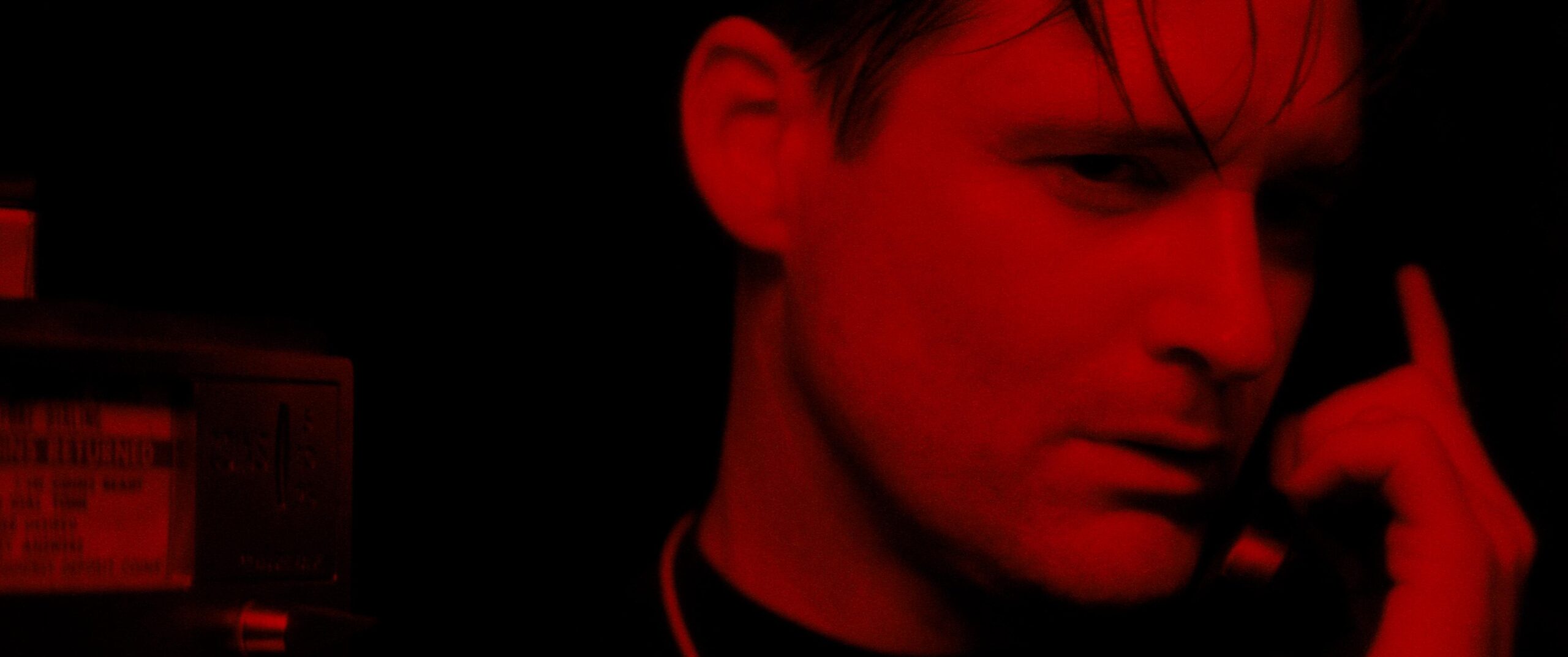 Still from Lost Highway
The biggest misconception about David Lynch’s films is that they are hard to understand. The plots, though often abstract, are quite clear. If you don’t question or conceive of the events in Lynch’s stories in real-world terms, there’s hardly any ambiguity in them. At the start of “Lost Highway,” a mysterious stranger delivers the message “Dick Laurent is dead” to Fred Madison through an intercom. Fred, a jazz musician, is soon accused of murdering his wife, Renee, after receiving a series of unsettling videotapes that reveal the inside of their home. While in prison, he transforms into a young mechanic named Pete Dayton, who looks slightly like Fred, ushering in a new storyline that involves a gangster named Mr. Eddy and his seductive girlfriend, Alice, who looks like Renee. After killing Mr. Eddy, who is revealed to also be called Dick Laurent, Pete eventually turns back into Fred. In the final scenes, the cryptic phrase “Dick Laurent is dead” is said by Fred to himself on his intercom; Fred was the stranger all along.
Lynch’s films are hard to interpret, not hard to understand. Even if you interpret Lynch’s films somewhat correctly, you’ll end up with an interpretation that is itself abstract. One such example is the common interpretation of the film as being about identity since it has to do with individuals who are to one extent or another identical: Fred and Pete, Renee and Alice, as well as Mr. Eddy and Dick Laurent. In the case of another Lynch film, Mulholland Drive, for example, it can be interpreted to be about fantasy, as I demonstrated in “Interpretation Contra Structural Reading.” But neither of these interpretations is as tangible or as socio-empirically salient as climate change in Don’t Look Up. This is because Lynch works, as he has often explicitly said, in abstraction, and abstraction is a tendency for interpretative opacity. This is why interpretations of his work tend to be equally abstract.
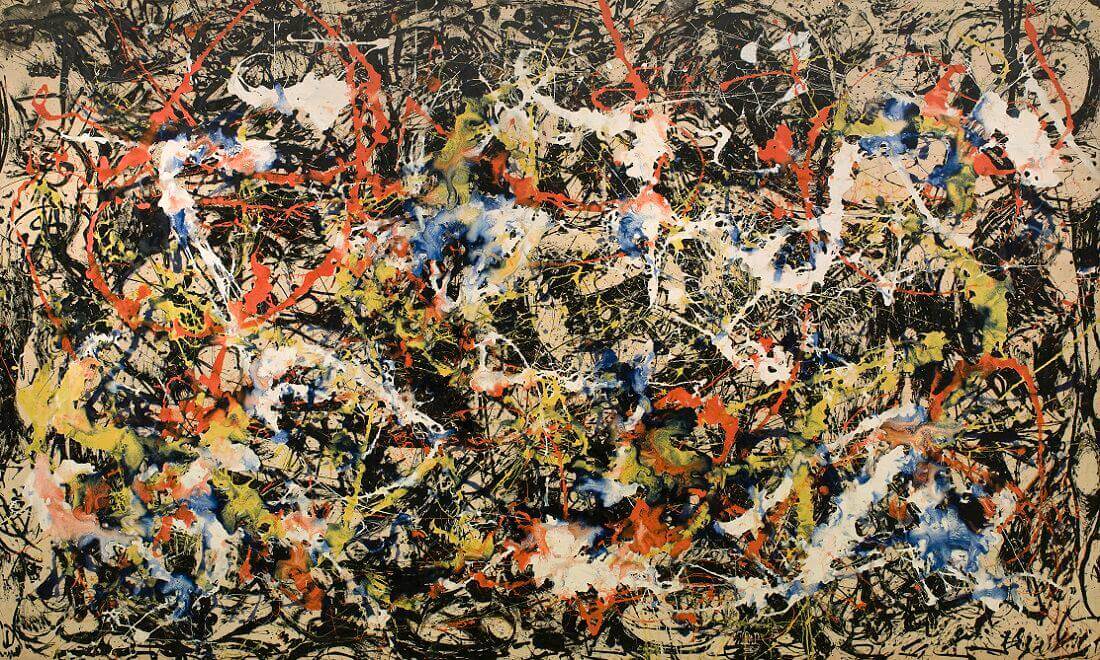 An Untitled Painting by Jackson Pollock
Abstraction, however, can have relative structural transparency. Consider the work of Jackson Pollock. Understanding the aesthetic structure, the concept, which informs Pollock’s painting is very straightforward when you consider two things and how they relate to one another. One needs to understand Pollock’s well-known technique of painting which consists of laying the canvas down flat on the floor instead of on an easel and dripping and splashing the paint onto the canvas. The second thing to keep in mind is the term Abstract Expressionism, which is often used to describe Pollock’s work. We already talked about abstraction, which is, for our purposes, interpretative opacity, so it’s best to focus on Expressionism.
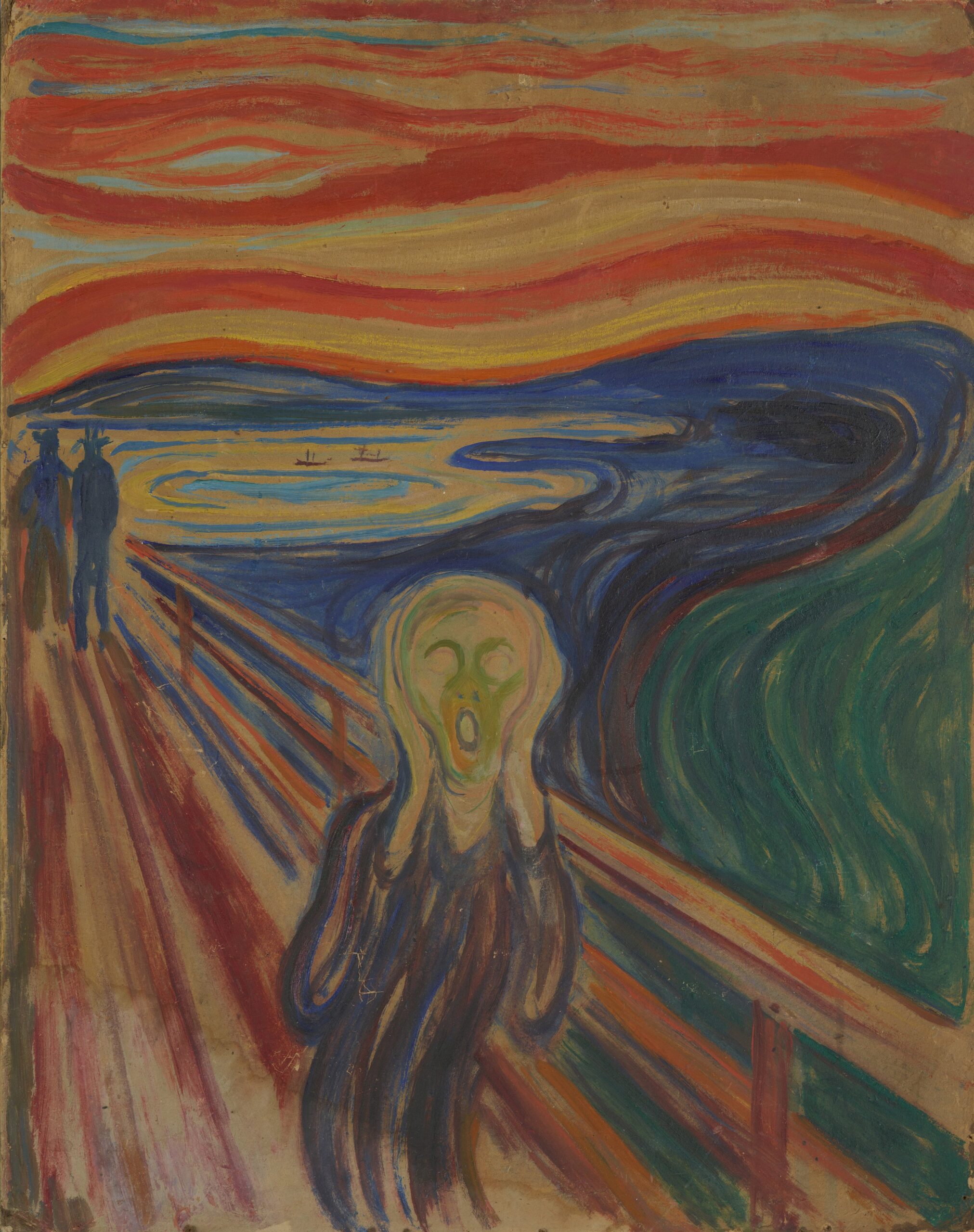 Edvard Munch’s The Scream
Expressionism is the aesthetic structure wherein a force or form expresses itself on a particular plane. For Pollock, it is the force of gravity expressing itself on the painterly plane. Pollock paints gravity itself, as Fares Chalabi puts it. He paints how gravity pulls, spreads and splatters paint. This is the basic tenet of Expressionism as it exists even in other painterly works like The Scream. The Scream is a work where the shape of the subject’s mouth and body, while he screams, is mirrored in the shape of his head, his hands placed around his head, and some aspects of the world around him; the scream expresses itself on the plane that is the subject’s body and the world around him. This conceptual structure that is Expression informs both Pollock’s work and Munch’s The Scream.
 Still from The Invention of Lying
With some context, Pollock’s abstraction can attain some structural transparency. But work that is extremely structurally transparent tends to be work that is highly conceptual. By “work that is highly conceptual”, I don’t necessarily mean conceptual art. What I mean is “high concept” art. This is a trend that has existed in cinema. A good example is Ricky Gervais’ The Invention of Lying. The film centers around a simulation of a hypothetical scenario that is “What if lying hadn’t been invented until the 21st century? What if it was invented by a single man?” Simulation makes up the central concept that informs everything in the film, from Ricky Gervais’ character lying about how much money is in his bank account, to him eventually inventing the notion of an afterlife to comfort his mother.
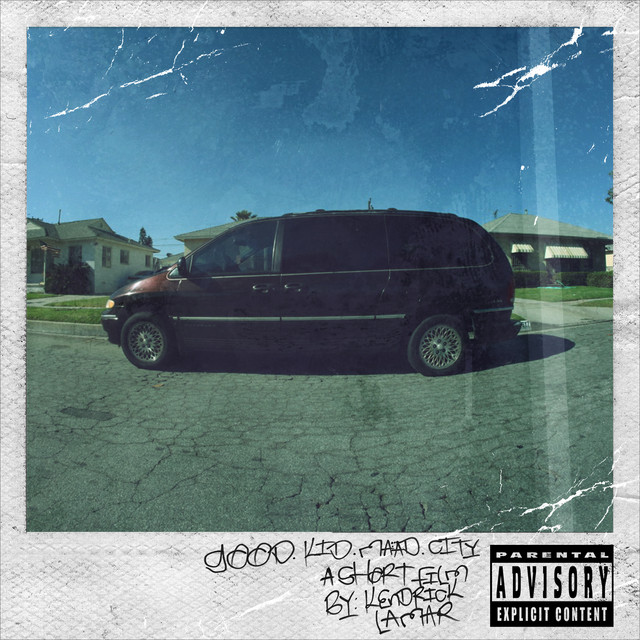
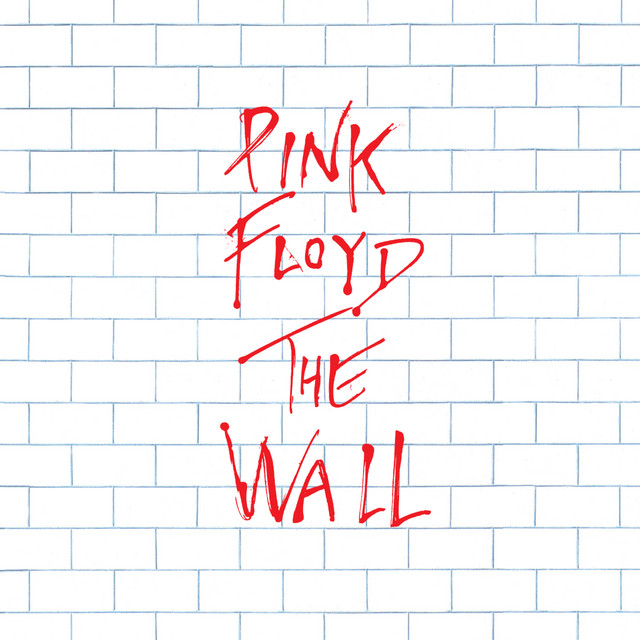
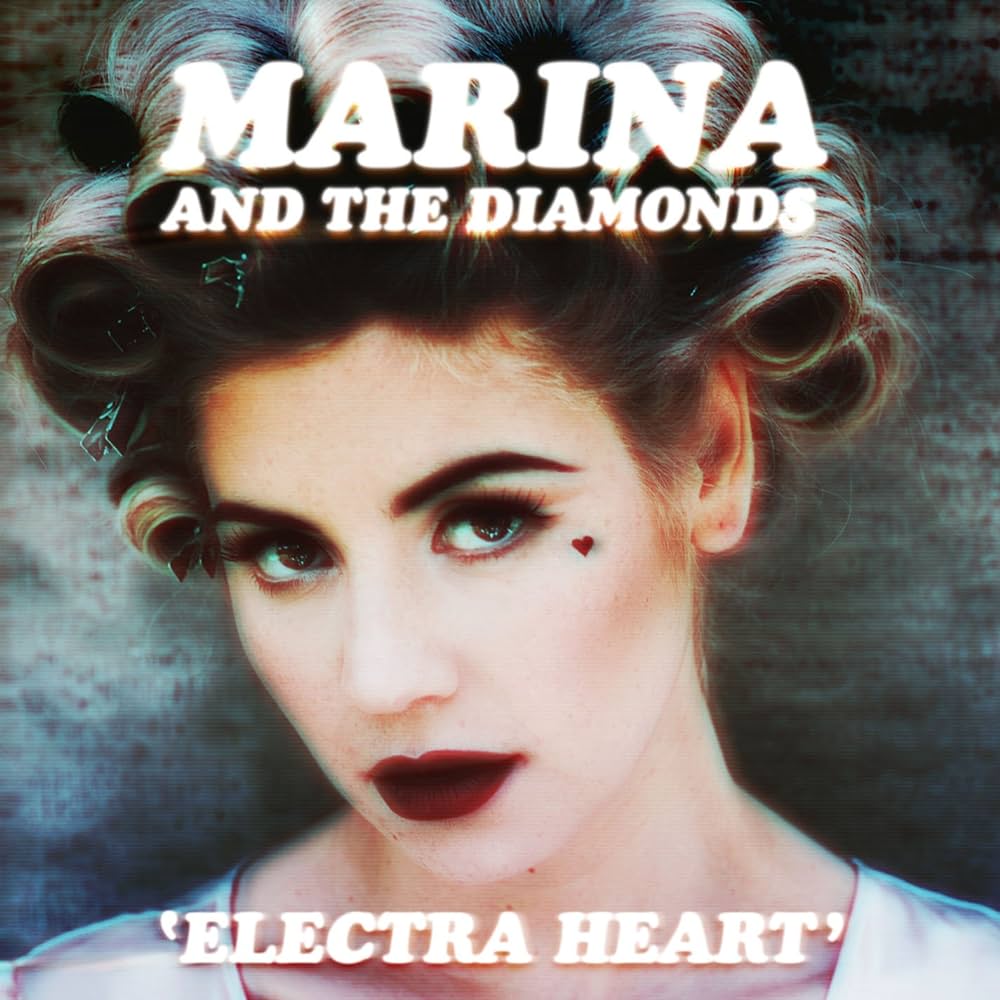
Covers from good kid, m.A.A.d city, The Wall and Electra Heart, respectively
This notion of high concept art also exists in pop music; think of the notion of a concept album such as Kendrick Lamar’s good kid, m.A.A.d city, or Marina and the Diamonds’ Electra Heart. What is often meant by a concept album is an album that also tells a story, like good kid, m.A.A.d city. This is, however, a misleading notion. The story, a narrative made of different events with a general narrative arc, is the central concept when it comes to good kid, m.A.A.d city, Pink Floyd’s The Wall, and many other concept albums. But, with Electra Heart, for example, the concept is not a story. Rather it is a series; a series of portraits of different women. Each portrait is embodied in a different track on the album, similar to how Sol LeWitt’s series of open cubes is conceptually conceivable as a series, as I explicated earlier.
And so we arrive at our final variant, works of high structural opacity. Structural opacity is usually found in rather realist works and is definitive of aesthetic Realism as such, for our purposes. Realism is defined more generally by the Encyclopedia Britannica as a form of art that produces unembellished images. Therefore, the Realist work is concerned with content over form, another word for concept.
How does a film like Superbad operate structurally? It is a film about teenagers attempting to buy alcohol for a party they are going to. It is shot in a largely unstylized and practical manner. In true Realist fashion, Superbad is fairly stripped down.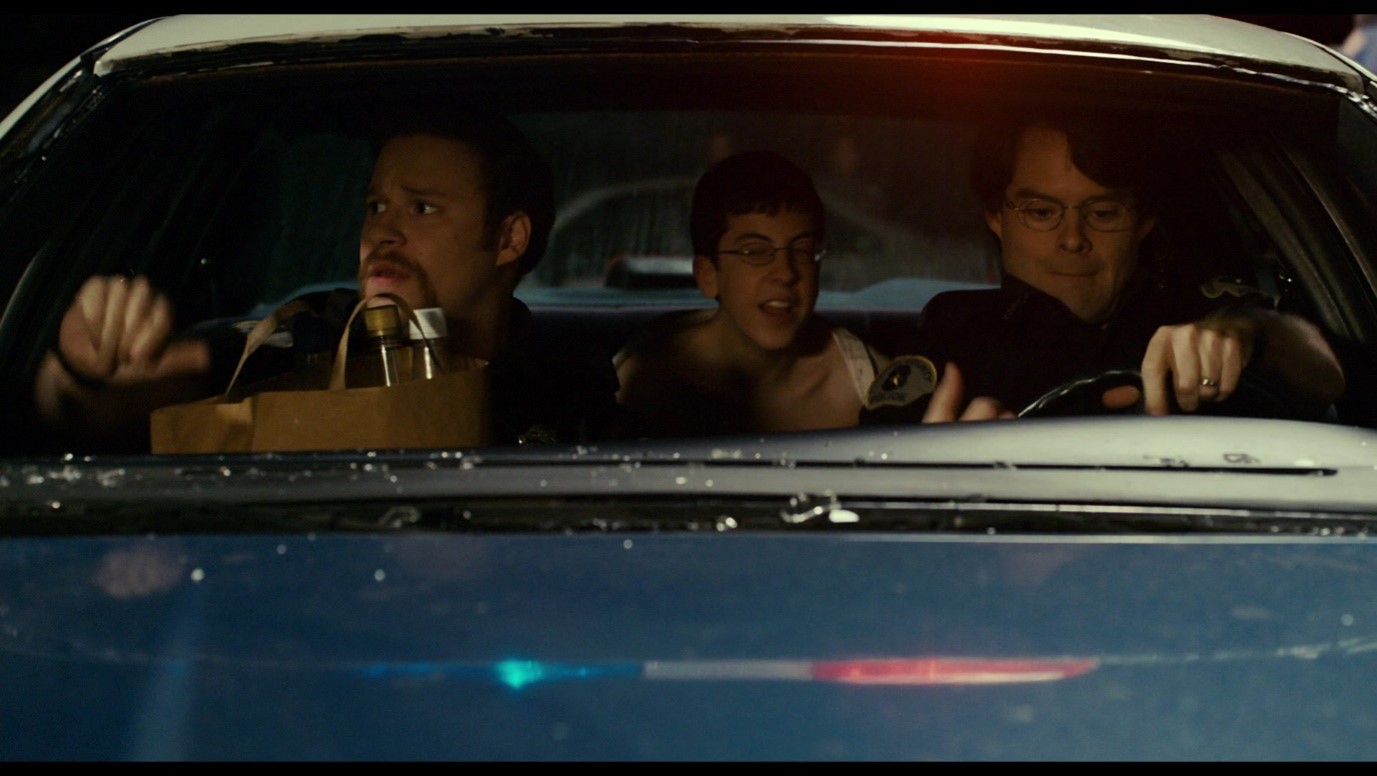 Still from Superbad
Superbad is, structurally, a ballad, as Deleuze would call it. Like Taxi Driver or Eyes Wide Shut, Superbad provides a horizontal view of the city, as their respective characters ride buses, cars, and cabs, around their cities and encounter tangentially related enigmas of their urban areas, particularly at night. Though Taxi Driver and Eyes Wide Shut tend to focus more on form rather than on mere content. They revel in the concept of the ballad for its own sake. For Superbad, the ballad form is a mere device…a vehicle, as it were.
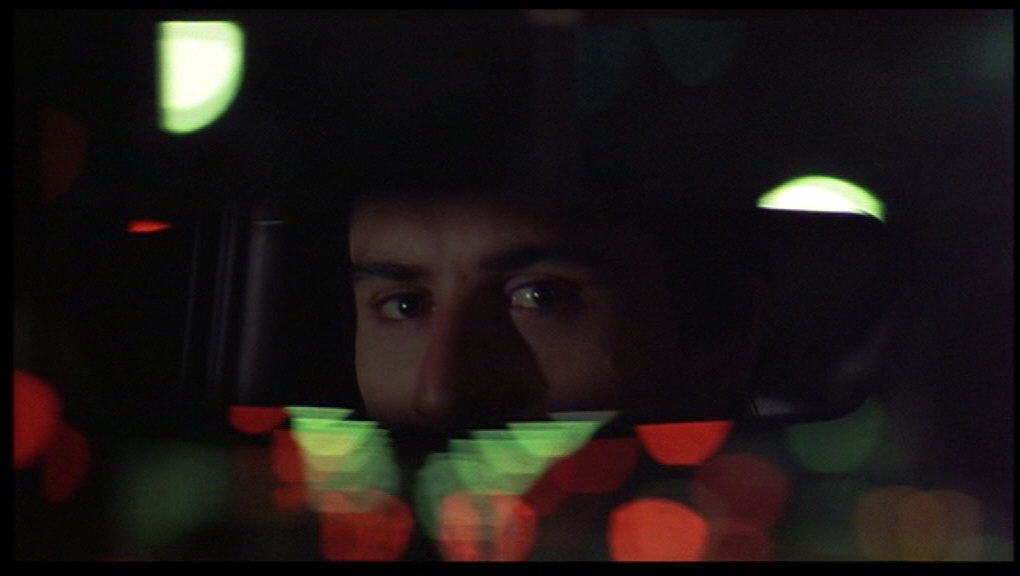 Still from Taxi Driver
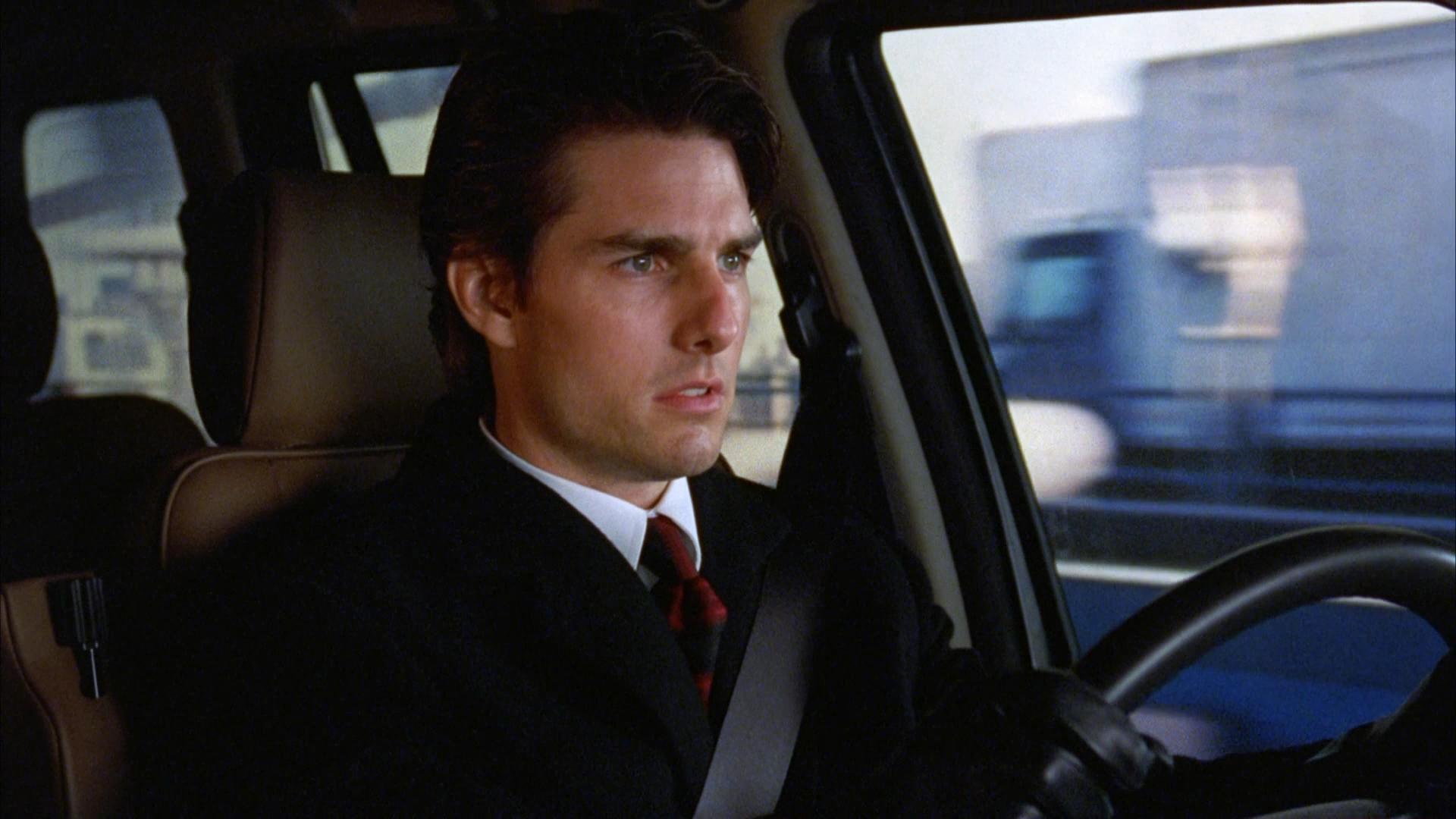 Still from Eyes Wide Shut
Consider the role of the vehicle in these films. In Taxi Driver, you sit with Travis in his cab as he goes through the streets. You hear his stream-of-consciousness internal monologue as he mulls over his immediate urban surroundings. Eyes Wide Shut is also filled with moments of contemplation on the part of Tom Cruise. For Scorsese and Kubrick, the automobile is a space for introspection. These directors, being rather artful filmmakers, want you to notice the form. They give you a moment to look at the vehicle to contemplate it and the characters they contain. Whereas in Superbad, things happen in cars; there is no lingering. It is a place of action just like any other. Hence, the focus is on content in Superbad, and the relative opacity of its structure.
Opacity, whether structural or interpretative, can never be total. It is always intensive, always on a spectrum, a gradient. The work of art is always opaque or transparent in comparison to another work of art. What is important for this article is being able to tell when opacity or transparency comes from the artwork itself rather than from the audience’s own analytic clarity.